


Food fraud is a serious and growing global issue, costing the food industry between $10 billion and $40 billion each year. As economic pressures and supply chain vulnerabilities increase, so too does the incentive for criminals to infiltrate the food system.
Deception on your dinner plate:
Inside the world of food fraud

Sam Pilkington
Underwriter, Crisis Management
$10bn
Food fraud
Food fraud refers to the deliberate substitution, addition, tampering, or misrepresentation of food products or packaging for economic gain. This includes adulteration, mislabelling, counterfeiting, and falsification of documentation.

Adulteration
adding, removing or replacing ingredients within a product e.g. diluted honey

Mislabelling
deliberately misstating a product’s origin or ingredients
e.g. farmed fish sold as wild-caught

Counterfeiting
producing inferior quality versions of well-known products

Substitution
replacing an ingredient with a lower quality alternative e.g. olive oil adulterated with vegetable oil

Tampering
such as amending the label of a product to extend the use-by or sell-by date

Document fraud
e.g. forged country-of-origin certificates
Mustard-Peanut Contamination (2024)
British consumers were exposed to risk when mustard powder contaminated with peanut residue, sourced from India, was used in the manufacture of mustard based sauces and sandwiches sold under a number of brands in the UK.
Olive Oil Fraud (2025):
A recent FoodNavigator report confirmed olive oil remains a primary target for food fraud. Fraudsters increasingly blend premium olive oils with cheaper alternatives, a sophisticated operation that is difficult to detect and highly profitable on the global market.
Adulterated Honey (2023):
An EU investigation revealed that nearly 50% of honey products on the European market were adulterated – often diluted with syrups to cut costs and increase margins.
“The increasing economic pressures on the global food supply chain have made food fraud more attractive to criminal networks. As fraudsters become more sophisticated, businesses face escalating risks from reputational damage to regulatory fines and public health crises.”
Sam Pilkington, Underwriter
Why criminals choose food fraud
Higher rewards
i.e. replacing an ingredient with a cheaper, lower quality alternative e.g. olive oil adulterated with vegetable oil
Smarter operations
Food fraud techniques have become more advanced, making adulteration harder to detect using standard testing
Difficult to trace
Complex supply chains make it easier to conceal fraudulent activity and harder to hold perpetrators accountable
A rapidly growing global problem
Food fraud is no longer an occasional issue – it’s a booming criminal enterprise.
According to the Global Food Fraud Surges in 2025 report, incidents of food fraud have increased tenfold over the past four years. This alarming rise highlights how fraudsters are aggressively targeting the food supply chain, taking advantage of higher food prices, global instability and gaps in regulatory oversight.
Alarming growth by product category (2021-2025)
Rising threat fuelled by instability
Global food supply chains are becoming increasingly complex. As manufacturers source ingredients from multiple countries, often through several layers of suppliers, it becomes more difficult to trace the true origin and authenticity of raw materials.
This complexity is creating new vulnerabilities for food manufacturers, particularly when sourcing from regions where food fraud is on the rise.
Even the country of origin for key ingredients can no longer be taken at face value. Fraudsters may deliberately mislabel or falsify documentation to disguise the true source of products, bypassing quality checks and taking advantage of price differentials between markets.
Below are some key factors heightening exposure:

Regional disruption
Conflicts in Ukraine and the Middle East continue to destabilise major agricultural supply routes, forcing manufacturers to seek alternative, sometimes less secure, suppliers.

Climate volatility
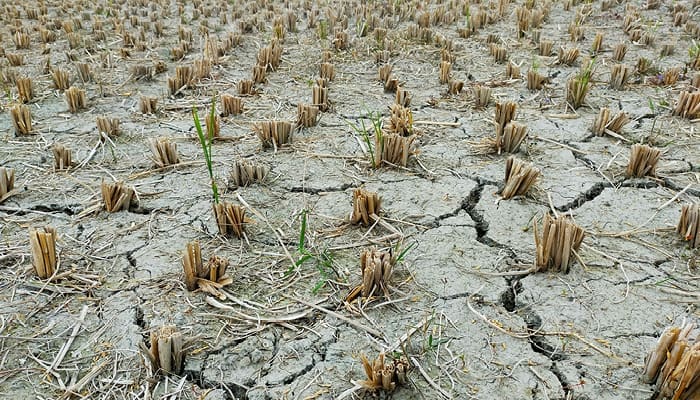
Extreme weather events are reducing yields in key growing regions, driving up prices and incentivising substitution or adulteration.

Document fraud
Ongoing tariff wars are inflating the cost of imported goods, making cheaper—potentially fraudulent—alternatives more financially attractive.
Where the risk is highest
According to the WellnessPulse 2025 Food Fraud Vulnerability Index the most exposed regions are:





These countries face unique supply chain vulnerabilities, driven by local instability, weak regulatory frameworks, and financial pressures that increase the risk of fraudulent activity. They’re also influenced by broader global forces impacting supply chains, including:
Climate change
Leading to poor and low yields.

Poor infrastructure
Inability to transport and distribute goods efficiently.

Political instability
Including displacement of people, lack of access to land and resources.

Unstable trade
Sanctions, blockades and tariffs.
How insurance can help
Products affected by food fraud present serious challenges. Ensuring their safety and tracing the true origin of their ingredients can be extremely difficult, especially within complex global supply chains. Because of this, food fraud is not just a financial crime, it is a critical food safety issue.
For businesses targeted by food fraud, the consequences can be wide-ranging and severe, including:

Business interruption
Including your own loss of profit and your customer’s financial losses

Brand and reputational damage
Lasting harm to consumer trust and market credibility

Regulatory scrutiny
Increased attention
from regulators, potential investigations and legal consequences
How Crisis Management insurance can help
Crisis Management add-ons
Covers public relations, customer communications and crisis response
Supply chain disruption cover
Provides protection for your costs of recalling and replacing product as well as your loss of profit due to product destruction and delays in sourcing replacement product
Liability extensions
Extended cover to include financial losses suffered by a third party due to a recall of your products
Detection and prevention services
Includes risk assessments, due diligence tools, and forensic investigations, conducted in partnership with RQA, the leading food safety consultancy
Reputational risk
Product Rehabilitation coverage to help your brand recover faster
What can the food chain business do?
Food producers, suppliers, and retailers can take several steps to reduce their exposure to fraud:
Conduct regular background checks on all suppliers
Implement traceability and supply chain verification tools
Testing incoming ingredients to verify quality and safety
Monitor regulatory alerts and emerging fraud trends
Maintain accurate and complete documentation
Work with insurers to tailor product recall and fraud cover

Crisis Management
While every crisis is unique, most demand immediate action. That’s why our comprehensive cover, combined with our ability to find bespoke solutions for hard to-fit risks, ensures a swift and effective response every time.

Jon Atkinson
Lead Underwriter
Sam Pilkington
Underwriter

George Davies
Underwriter
Our partnership with RQA Group

We work with RQA, the leading food safety consultancy, to provide you with the latest food safety insights, helping you to proactively protect your business.
Find out more at rqa-group.com